
Saver
Get tools and resources you need to start saving for the care, education, and everyday expenses you need.

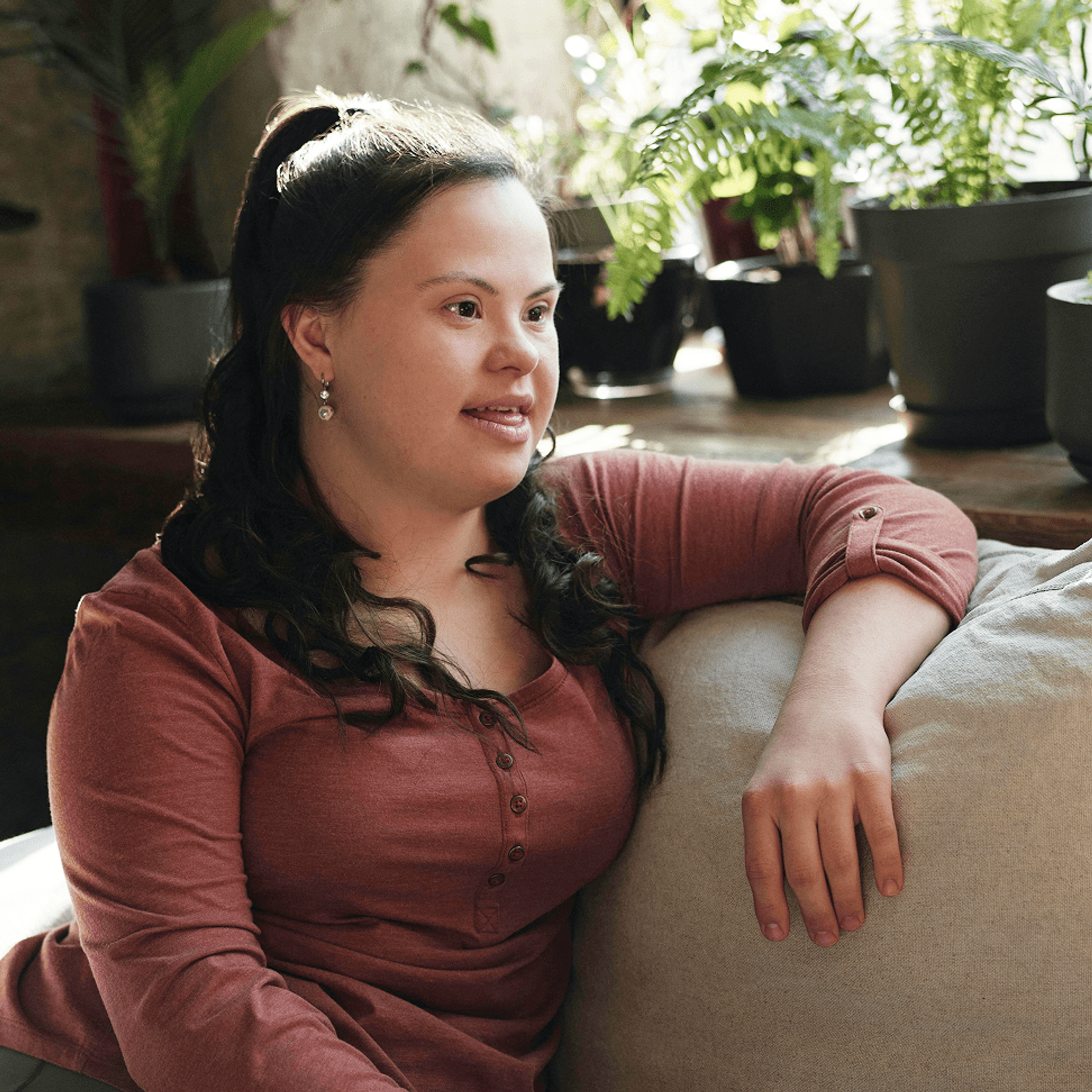
ABLE (Achieving a Better Life Experience) accounts are tax-advantaged savings plans that help people with disabilities save for the future—without impacting SSI, Medicaid, or other important benefits.
ABLE accounts offer people with disabilities a way to invest tax-free for the future, spend on everyday expenses, and still keep the public benefits they rely on. Experience life-changing benefits like:
Answer a few simple questions to see if you qualify for an ABLE account under the updated 2026 criteria.

Getting started is simple. Find your state's ABLE program and open your account today. We'll help you every step of the way.
Get tools and resources you need to start saving for the care, education, and everyday expenses you need.

Empower your clients with tax-advantaged saving options that fit their unique needs.

Help your employees limit financial stress and take a step towards a stronger future with ABLE savings opportunities.
With an ABLE account, you don't have to choose between saving for tomorrow and protecting the support you rely on today. Vestwell makes it simple to manage your account with modern tools, helpful resources, and accessible features so you can focus on what matters most.

With an ABLE account, you don't have to choose between saving for tomorrow and protecting the support you rely on today. Vestwell makes it simple to manage your account with modern tools, helpful resources, and accessible features so you can focus on what matters most.
No. If the money in your ABLE account is used to pay for qualified expenses, it won’t be counted as income for your state or federal taxes. That means your investments grow tax-free, putting extra money in your pocket.
No. When saving with an ABLE account, you can keep your federal benefits (SSI, SSDI, Medicaid, SNAP, TANF, HUD Assistance, Section 8, etc.). If you receive SSI, you can save up to $100,000 before ABLE funds start counting against your benefits asset limits. If you choose to go over the $100,000 limit, your SSI benefits will be suspended, but you’ll still be eligible for all other federal benefits (such as Medicaid). Once your balance drops below the limit, your SSI benefits will resume as normal.
No. If the money in the ABLE account is used to pay for qualified expenses, it won’t be counted as income for state or federal taxes.
ABLE accounts, Special Needs Trusts (SNTs), and Pooled Trusts are all financial tools that can help people with disabilities to save money. What is best for your client will depend on their individual situation and goals. Keep in mind: the best option might be to use both an ABLE account and trust together! Read on for an outline of some key advantages of ABLE accounts.
-Expenses: There are fewer expenses than setting up a trust - you do not have to hire an attorney to set up an ABLE account.
-Ownership: The beneficiary owns the funds and can access them for eligible expenses. They do not have to ask a trustee for access to their money.
-Eligibility: Limited to people diagnosed with a disability before the age of 26 (the age of onset for disability will be raised to 46 starting January 1, 2026).
Taxation: Earnings from ABLE accounts are tax-free; trusts are subject to taxation.
-Contributions: There’s an annual contribution limit ($19,000 - or up to $34,060 for certain working beneficiaries).
-Flexible Spending: Funds can be used for a wide range of expenses, including basic living costs, education, and employment without affecting benefits.
-Fees: Low fees.
No. When saving with an ABLE account, you can keep your federal benefits (SSI, SSDI, Medicaid, SNAP, TANF, HUD Assistance, Section 8, etc.). If you receive SSI, you can save up to $100,000 before ABLE funds start counting against your benefits asset limits. If you choose to go over the $100,000 limit, your SSI benefits will be suspended, but you’ll still be eligible for all other federal benefits (such as Medicaid). Once your balance drops below the limit, your SSI benefits will resume as normal.
Yes! Employers are able to contribute to an employee’s ABLE account, or an ABLE account for an employee’s family member. Employers would report those contributions on an employee’s W-2. Some states also offer employer tax credits for ABLE contributions. You can find more information via our non-profit partner, ABLEtoday: https://www.abletoday.org/able-in-the-workplace and https://www.abletoday.org/for-employers.
People with disabilities can save and invest at least $19,000 a year for a wide range of eligible expenses. Those who are employed can save even more. Workers with disabilities who do not already participate in a workplace retirement plan can save up to an additional $15,060 a year (or more in some states), depending on their annual income.