Back to School: Q&A With a 529 Account Holder

Americans carry roughly $1.87 trillion in federal and private student loan debt, spread across about 43 million borrowers. That total continues to grow each back-to-school season as parents and students face tuition bills, school supplies shopping, and more.
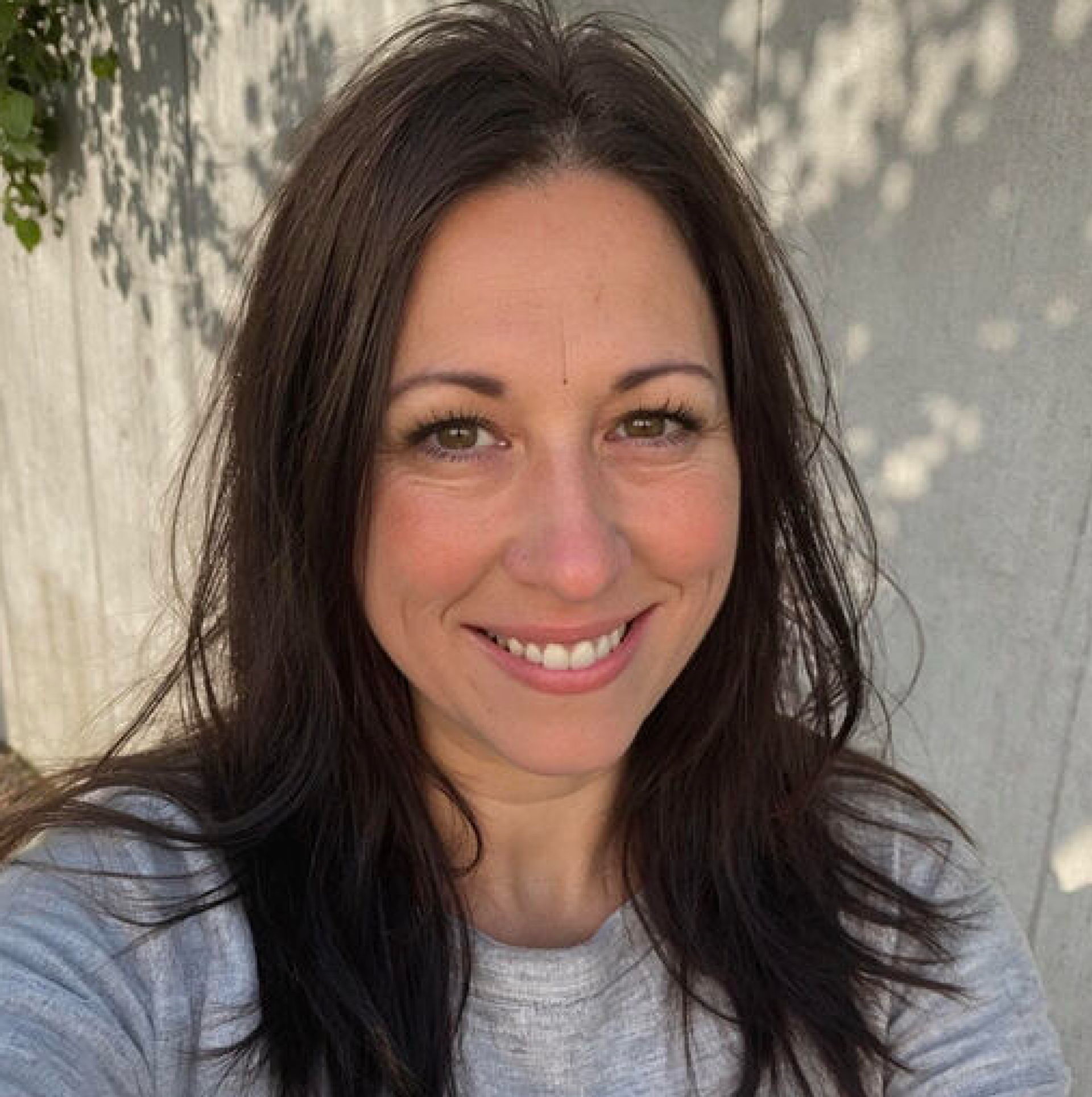
We recently sat down with Summer Schmidt, Senior Specialist of Service Communications & Enablement at Vestwell, to discuss her own family's 529 savings journey. Her story shows how small, automatic contributions can add up over time, helping her son head into his senior year of college debt-free.
Here’s what she had to say about 529 accounts as millions of parents and students prepare to head back to school.
Q: How did you first learn about 529 accounts?
A: When my girls were younger, Coverdells had all the buzz, so that's what we pursued. But by the time our son was born seven years later, 529s were really hitting the market and becoming the talk of the industry. When we looked at the difference, the 529 made so much sense, so we made the switch for him.
Q: Why was it important to you to save for educational expenses?
A: I grew up in a lower-income family. My parents, neither of whom went to college themselves, didn't really have money to set aside for me. When it came to going to college, it felt so out of reach, especially when you look at the cost of a four-year university, or even community college, when you're funding it yourself. I wanted to give my children an opportunity that I didn't have.
“I wanted to give my children an opportunity that I didn't have.”
Q: What is one thing you wish you had known about 529 accounts before getting started?
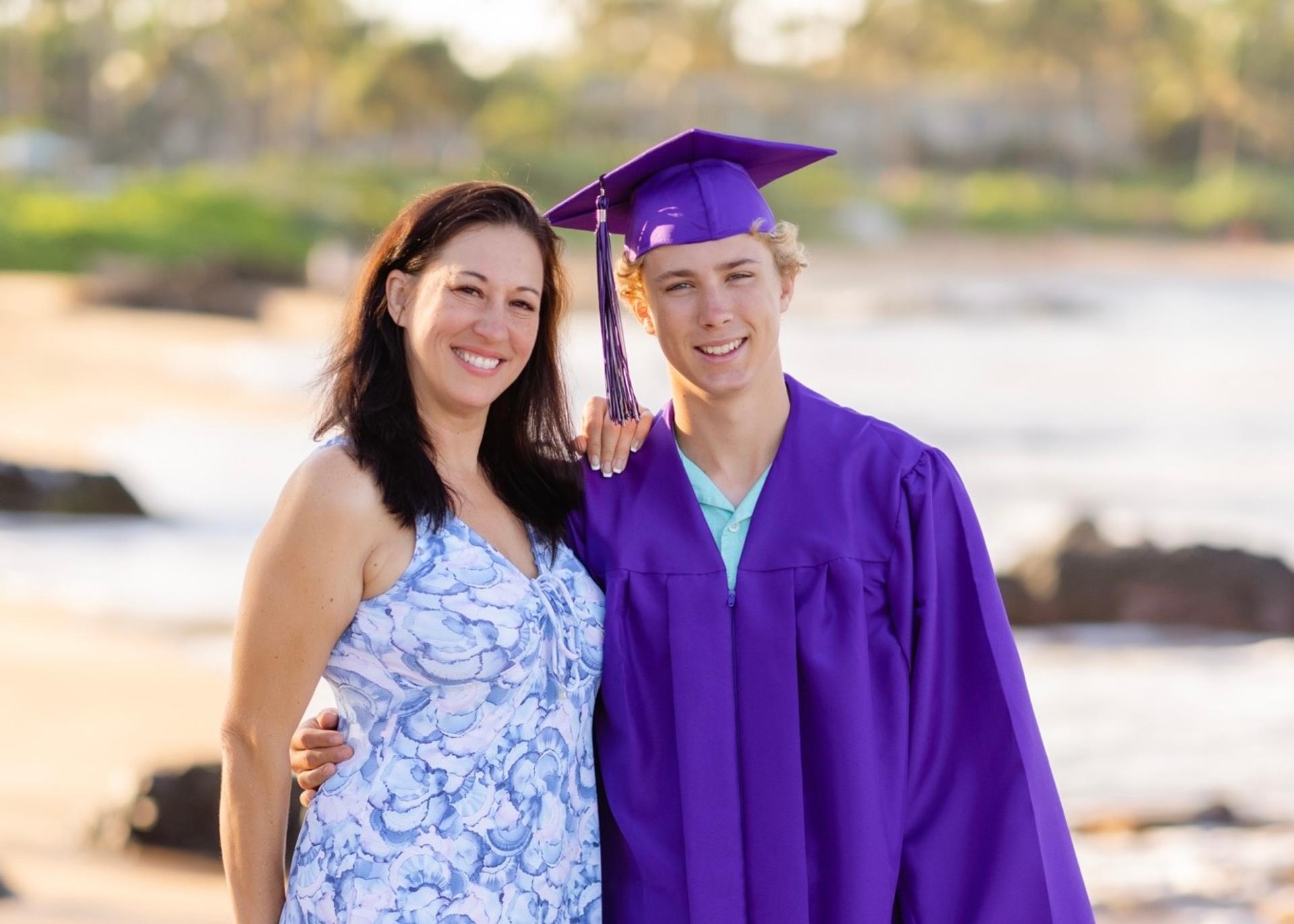
A: I really didn't fully understand the benefits or the power of our 529 account until my son was eighteen years old, when we actually had to use it to send him to college. That's when I really started to see how incredible these programs are. 529 accounts provide tax-free growth, tax-free withdrawals for qualified education expenses, and potential state tax deductions or credits, making them one of the smartest ways to save.
Q: Did you set up automatic contributions, or did you contribute in lump sums?
A: I set up automatic contributions through my bank when I was younger. When he was little, it was a small amount, honestly, like $50 or $100 a month. Doing it that way didn't feel like a lot of pressure on the budget, but it let the money flow through and compound.
Q: Was there ever a point you considered pausing or stopping contributions? What kept you going?
A: It's natural to go through ebbs and flows financially, and to think about what you can cut. Did I have those thoughts? Absolutely. Did I follow through on them? No, because I'd rather cut one dinner out, or one movie, than touch that contribution.
When it's a bite-sized deposit, it's a little easier to keep it as the priority. A lot of that came down to my own struggles without access to educational savings. Not making that contribution felt like taking something from my child, instead of giving to them and taking from another area.
Q: How did your family end up using the 529 account funds? How did it make a difference in your kids’ lives?
A: For our son, we've used it throughout college. He's entering his fourth year now, and instead of using it all up front, we calculated the funds over the four years we knew he'd be in school and broke it up, with a portion each semester.
The benefit was that the bulk of the money stayed invested and kept growing. That's really helped subsidize his need for loans.
He's entering his fourth year of college without a single loan, and he'll still come out with money left in his 529. That's incredible, and it's a direct result of how we structured it alongside what we cover out of pocket and what he covers himself.
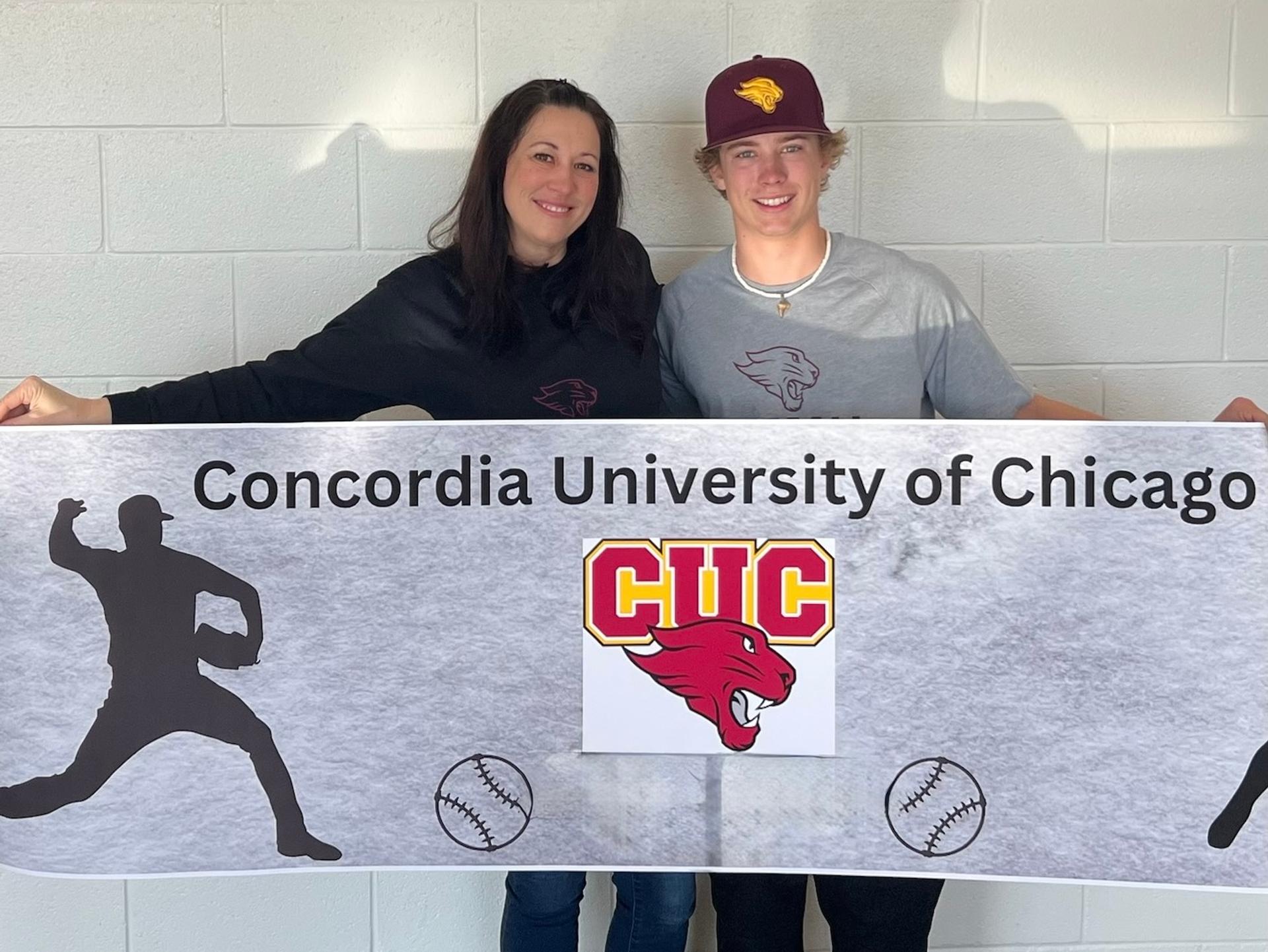
“He's entering his fourth year of college without a single loan, and he'll still come out with money left in his 529.”
Q: How do you think about your accounts in the future, as you welcome a new generation to your family?
A: Really understanding the benefit of a 529 once you're actively using it has been huge, and it's sparked table conversations with both my girls. My middle daughter is having her first baby, and she never used the money in her original Coverdell because she chose a different career path.
We sat down with her and with our financial advisor, and decided to convert her Coverdell into a 529 and change the beneficiary to her son. Now her new baby is starting with a significant college fund that will only keep growing, all thanks to the flexibility of a 529.
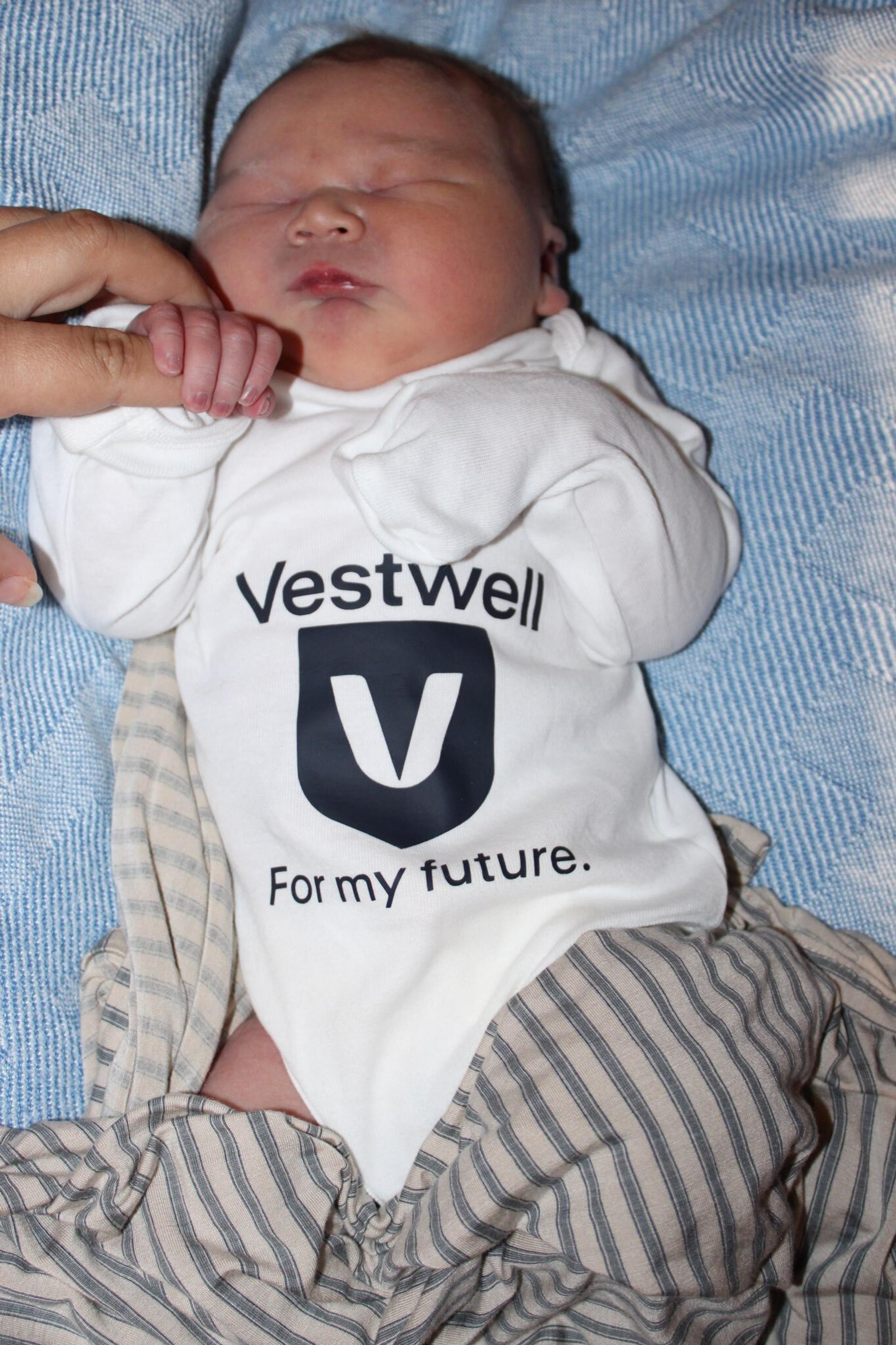
“Now her new baby is starting with a significant college fund that will only keep growing, all thanks to the flexibility of a 529.”
Q: Looking back on your experience with 529 accounts, is there anything you would have done differently?
A: Put more money in, hands down. Money you put into a 529 is never wasted. The flexibility is rock solid, and it covers so much: school materials, books, laptops, living on campus, and more. We've been able to cover a lot for our son, but if we'd put more in early on, it would be an even bigger safety net for us today.
Q: In one sentence, what would you say to a new parent who thinks it's "too early" to start?
A: It's never too early. The longer the money sits in your account, the more it's going to grow, and starting as early as birth lets you maximize those early years.
Start Your Own 529 Story
Summer's story is proof that even small, consistent contributions can add up to something life-changing. For her, it meant a debt-free college experience for her son and a head start for the next generation of her family.
Ready to give yourself or your family that kind of opportunity? Explore Vestwell's 529 savings plans and see how easy it is to start building your child's future today.

All content is provided for general information purposes and should not be construed as individualized investment advice. All investments involve risk, and past performance is not a guarantee of future results. Investments in stocks and bonds are subject to risk of economic, political, and issuer-specific events that cause the value of these securities to fluctuate. International investments are subject to additional risks such as currency fluctuation, political instability, and adverse economic conditions. Fixed income securities are subject to increased loss of principal during periods of rising interest rates and may be subject to various other risks, including changes in credit quality, liquidity, prepayments, and other factors. Inflation-protected securities may react differently from other debt securities to changes in interest rates. All investing involves risk, including possible loss of principal. Vestwell does not provide legal, financial, tax, or investment advice to individuals. Investors should consider the investment objectives, risks, and charges and expenses of the funds carefully and consider engaging their own financial professional before making any investment decisions.